
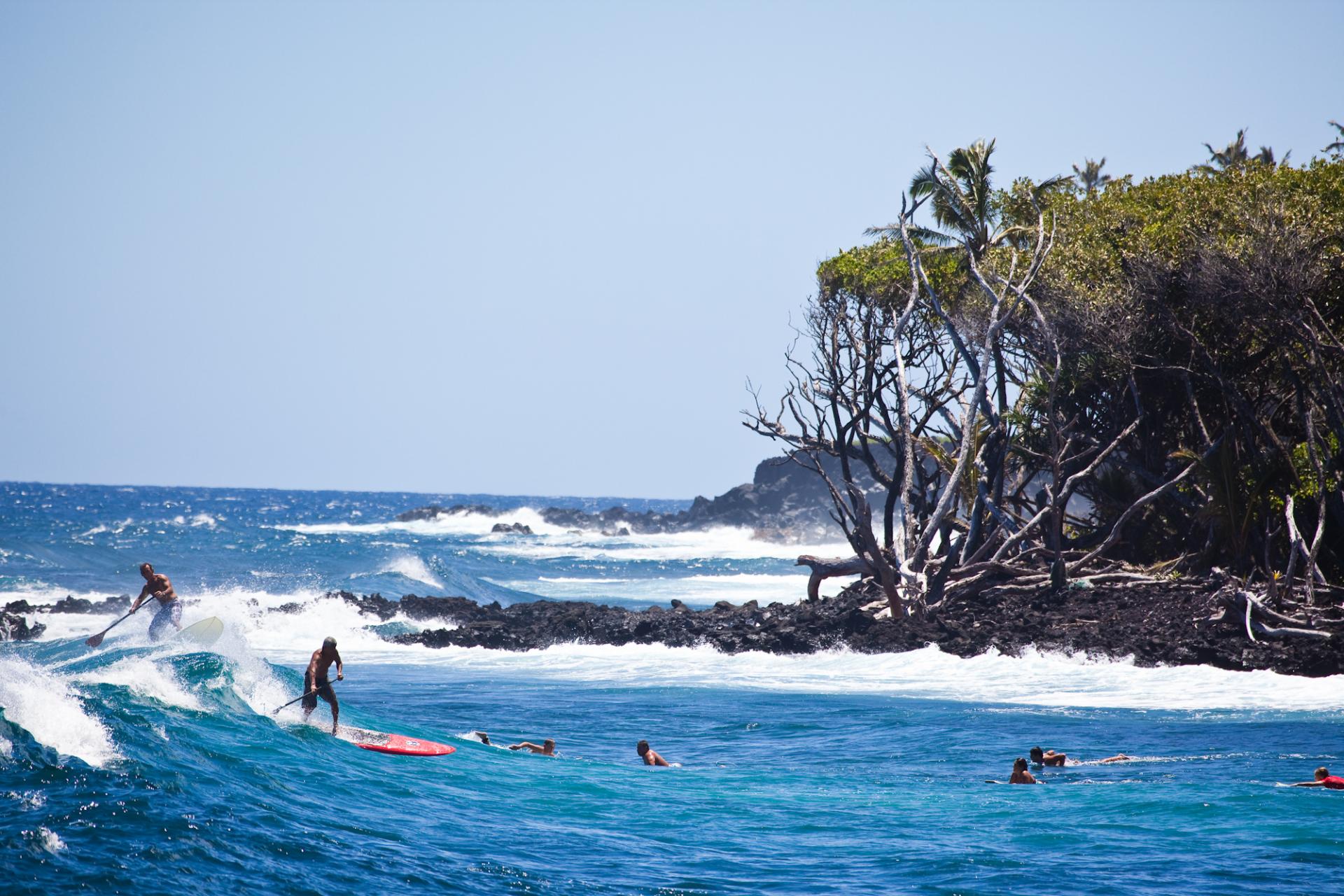
The Big Island of Hawaiʻi is so large it feels like several islands in one. Tropical rainforest crowds the Hilo side, sunny beaches line the Kona coast, lava fields stretch through volcano country, and snow-capped Mauna Kea rises above it all.
At 4,028 square miles, this island is bigger than all the other Hawaiian islands combined. That size is exactly why a Big Island trip rewards planning: attractions cluster by region, and the drives between them take real time.
This guide is published by Best Pearl Harbor Tours.
Key facts
- Island size: 4,028 square miles — more than all the other Hawaiian islands combined.
- How long to go: plan 5 to 7 days; Kona + Volcanoes can be done in 3 to 4.
- Airports: Ellison Onizuka Kona International Airport (KOA) on the west side, Hilo International Airport (ITO) on the east side.
- Volcano park: Hawaiʻi Volcanoes National Park is open 24 hours a day; entry is $30 per vehicle for a 7-day pass.
- Getting around: a rental car is nearly essential. You only need 4WD for the Mauna Kea summit road above the Visitor Information Station, the Waipiʻo Valley road, and the road to Green Sand Beach.
The Big Island, Region by Region
The smartest way to plan this island is by region. Each side has its own weather, personality, and set of things to do.
Kona Coast (leeward west)
This is the sunny, dry side most visitors picture: calm water, white-sand beaches, snorkeling boats, manta ray tours, and the coffee belt climbing the volcanic slopes above town.
Kailua-Kona is the hub. It has the waterfront, the shops, and the easiest access to KOA airport.
Volcano Country (southeast)
Hawaiʻi Volcanoes National Park sits about 96 miles southeast of Kona — a 2- to 2.5-hour drive on Highway 11. This is Pele’s territory: steaming craters, lava tubes, and lava fields young enough to feel brand new.
The village of Volcano, just outside the park, makes a good overnight base if you want the park after dark.
Hilo and the Windward Side (east)
Hilo is rainier and greener, and that rain is the reason for the waterfalls, botanical gardens, and lush river valleys. It is also the gateway to the volcano park from the east — about 30 miles, or 45 minutes, away.
Stay here for waterfalls, gardens, and the Merrie Monarch Festival in April.
Kohala and the North (northwest)
The Kohala coast holds the island’s best white-sand beaches, including Hāpuna. Inland, Waimea (Kamuela) sits in green ranch country with paniolo cowboy heritage, and the road north ends at the Pololū Valley overlook.
Top Things to Do on the Big Island
Stand at Hawaiʻi Volcanoes National Park
This is the island’s headline act: two active volcanoes, Kīlauea and Mauna Loa, inside a park you can drive into. Walk through the 500-year-old Thurston Lava Tube, hike the Kīlauea Iki crater floor, and drive Chain of Craters Road down to the Hōlei Sea Arch.
The park is open 24/7 and entry is $30 per vehicle. Eruptions are episodic, so check nps.gov/havo for current lava conditions and closures before you go. For a full breakdown, see our Hawaiʻi Volcanoes National Park guide and our park driving tour route.
Snorkel with Manta Rays After Dark
The Big Island’s signature ocean experience leaves from the Kona coast. Tour boats lower powerful lights into dark water, plankton swarms toward them, and gentle reef manta rays — filter feeders with 8- to 14-foot wingspans — loop overhead to feed.
You float at the surface with flotation provided, watching them barrel-roll inches beneath you. Sightings are remarkably reliable, and tours run year-round. For when to plan your water days, see our best time to snorkel in Hawaii.
Best Pearl Harbor Tours tip: book the manta ray snorkel for early in your trip. If weather cancels your night, you still have evenings left to rebook.
Stargaze on Mauna Kea
At 13,796 feet, Mauna Kea is the highest point in Hawaiʻi and one of the best stargazing sites on the planet. Most visitors drive to the Visitor Information Station at 9,200 feet, acclimate for at least 30 minutes, and watch the sunset above the clouds.
Above the station, the rules change: the summit road requires 4WD, rangers screen vehicles, and children under 13 should not go to the summit due to altitude risk. Temperatures can drop below freezing, so bring real layers. A guided stargazing tour solves the vehicle and gear logistics.
Walk to ʻAkaka Falls
A 442-foot waterfall reached by a short paved loop through bamboo and ginger on the lush Hāmākua coast. Maximum payoff for minimum effort — one of the easiest great stops on the island.
Pair it with Kahuna Falls on the same trail, and with Rainbow Falls in Hilo for a full waterfall morning.
Catch Rainbow Falls in Hilo
Right in Hilo, a broad waterfall throws rainbows across its mist on sunny mornings. It is a five-minute stop from the parking lot — go early for the rainbow and the light.
Look Over Waipiʻo Valley
The Valley of the Kings is a mile-wide amphitheater of cliffs, taro patches, and a black-sand beach, sacred in Hawaiian history. The overlook is the easy way to take it in.
The road down is brutally steep and access has been restricted, so enjoy this one from the top and keep a respectful distance from the sacred valley below.
Spread Out at Hāpuna Beach
The Big Island’s best white-sand beach is a wide, sweeping stretch on the sunny Kohala coast, with easy swimming most of the year. Arrive early on weekends — locals love it too.
Find the Green Sand at Papakōlea
Papakōlea is one of only a handful of green-sand beaches on earth. The color comes from olivine crystals in an old cinder cone near Ka Lae, the southernmost point in the fifty states.
It is a hot, exposed walk of more than two miles each way. Bring water, sun cover, and time — this is a half-day commitment, not a quick stop.
See Punaluʻu Black Sand and the Honu
A jet-black beach of lava sand on the southeast coast where green sea turtles — honu — often haul out to bask. Look, photograph, and keep your distance: the turtles are protected.
The swimming here is for strong swimmers only, so many visitors make this a photo-and-wildlife stop on the volcano-route drive.
Tour Kona Coffee Country
Real Kona coffee grows only on the western slopes of Hualalai and Mauna Loa, in a belt running roughly 600 to 3,200 feet up. Most farms run 45- to 60-minute walking tours with tastings in the morning, when the air is coolest.
Only coffee grown in this district can legally carry the Kona name. For the full Kona experience, see our things to do in Kona guide.
Visit Puʻuhonua o Hōnaunau, the Place of Refuge
Where an ancient Hawaiian who broke kapu (sacred law) could reach sanctuary and be absolved. Today it is a National Historical Park: the great stone wall, carved kiʻi standing guard, royal fishponds, and palm-shaded grounds.
Entry is $20 per vehicle, good for seven days. Pair it with the snorkeling at nearby Two Step for a full south-Kona day.
See the Island by Helicopter
The Big Island is so big and so roadless in places that a helicopter is the best way to grasp it. Flights cover the active volcanic landscape, the Kohala valleys and waterfalls, and miles of flows you cannot reach by road.
Book an early-morning flight for the clearest air and the smoothest ride.
Spend an Evening at a Luau
If you do one cultural evening on the Big Island, make it a luau: imu-roasted food, hula, and fire-knife dancing under the stars. The best luaus sell out in peak season, so book ahead.
Watch Humpback Whales (December to April)
Humpbacks migrate thousands of miles from Alaska to Hawaiʻi’s warm waters to breed and calve. Sightings build through December and peak from January to March, and you can sometimes spot spouts from shore on the Kona coast.
A boat tour with a naturalist gets you closer — and hydrophones let you hear the whales sing.
Explore Hilo’s Market and Gardens
The open-air Hilo Farmers Market fills with tropical fruit, cut flowers, and plate lunch on its main market days. It is the easiest way to taste the rainy, agricultural side of the island in one stop.
North of town, the Hawaiʻi Tropical Botanical Garden winds a boardwalk through a rainforest valley down to Onomea Bay — palms, orchids, and a waterfall to the sea.
Time a Trip for Merrie Monarch (April, in Hilo)
Worth knowing: the Merrie Monarch Festival — the world’s premier hula competition — takes place in Hilo on the island’s east side, not in Kona. The 2026 festival ran April 5–11 at the Edith Kanakaʻole Stadium.
The week fills Hilo with hula, arts fairs, and a royal parade. Hotels book out, so plan lodging early if your dates align.
Getting to the Big Island, Getting Around, Where to Stay, Best Time to Visit
Getting to the Big Island
Most visitors fly into Ellison Onizuka Kona International Airport (KOA), about 7 miles northwest of Kailua-Kona. It is an open-air airport — you deplane onto the tarmac under the sun.
Flying into Hilo International Airport (ITO) makes sense for volcano- and waterfall-heavy trips. All major rental car agencies operate at both airports.
Getting Around
You need a car — the island’s ring road, the Māmalahoa Highway (Highways 11 and 19), circles the island, but sights sit far apart. Kona to Hilo is roughly 2 hours; Kona to the volcano park is about 2 to 2.5 hours.
A standard rental car handles nearly everything. You need 4WD only for the Mauna Kea summit road above the Visitor Information Station, the Waipiʻo Valley road, and the Green Sand Beach road — and many rental contracts forbid some of these, so check before you go.
Where to Stay
Base in Kailua-Kona or the Kohala resorts for sunshine, beaches, and ocean tours. Base in Hilo or Volcano Village for waterfalls, gardens, and easy volcano-park access.
On trips of five or more days, splitting nights between the two sides beats long day drives back and forth across the island.
Best Time to Visit
The Big Island is warm year-round. December through April adds humpback whales; January and February bring peak whale activity and the year’s most reliable weather.
Summer usually brings the calmest snorkeling water, and manta rays and stargazing are good in every season. September through November offers the warmest ocean water and the thinnest crowds.
Location Map
Use the map below to get your bearings — the Big Island is twice the size of all the other Hawaiian islands combined, so distances are real.
Frequently Asked Questions
How many days do you need on the Big Island?
Plan 5 to 7 days. You can cover Kona and the volcano park in 3 to 4, but a full week lets you add Hilo, the Hāmākua waterfalls, and Kohala without rushing.
Is Kona or Hilo better to stay?
Kona is sunnier with calmer snorkeling and most resort beaches; Hilo is rainier but closer to waterfalls, botanical gardens, and the volcano park. On longer trips, split nights between the two.
Do you need a 4WD on the Big Island?
A standard rental car handles nearly everything — the highways, Kona, Hilo, Kohala, and the national park. You need 4WD only for the Mauna Kea summit road above the Visitor Information Station, the Waipiʻo Valley road, and the Green Sand Beach road.
Can you hike to the top of Mauna Kea?
Most visitors do not hike it. They drive to the Visitor Information Station at 9,200 feet, acclimate, and take a guided summit tour or drive up in a proper 4WD. Children under 13 should not go to the summit, and temperatures can drop below freezing.
Is Hawaiʻi Volcanoes National Park open every day?
Yes — the park is open 24 hours a day, 365 days a year, and entry is $30 per vehicle for a 7-day pass. Check nps.gov/havo for current lava conditions and closures before you drive in.
Conclusion
The Big Island rewards travelers who plan by region: a volcano day, a manta ray night, a Mauna Kea evening, a Hilo waterfall morning, and beach time on the Kohala coast. With five to seven days and a rental car, you can cover the island’s greatest hits without feeling rushed.
For deeper dives, explore our things to do in Kona for the sunny west side, our Hawaiʻi Volcanoes National Park guide and park driving tour route for the volcano day, and our best time to go snorkeling in Hawaii to plan your water days.
Plan well, drive carefully, and enjoy the island — this guide was prepared by Best Pearl Harbor Tours.